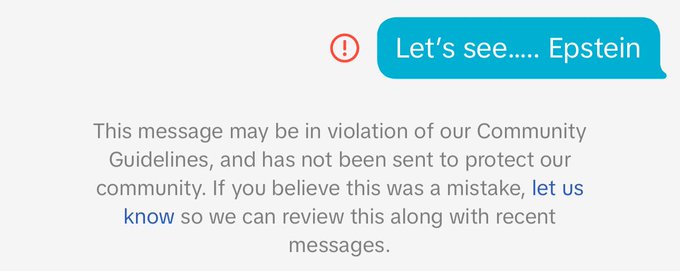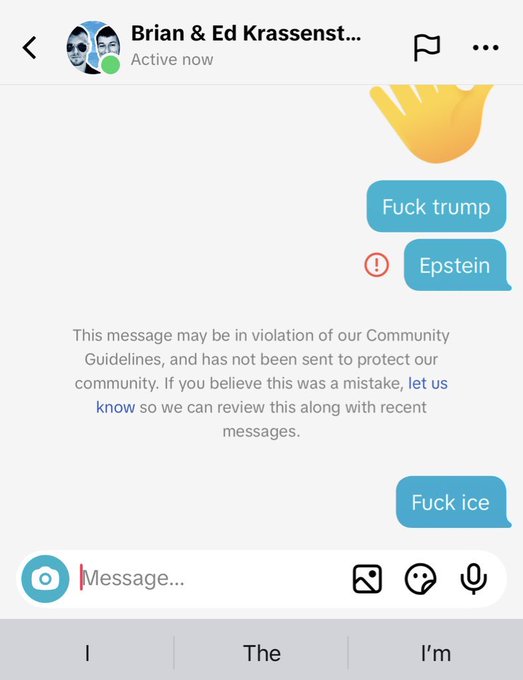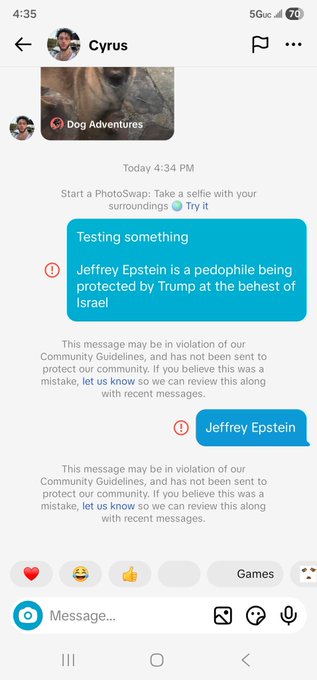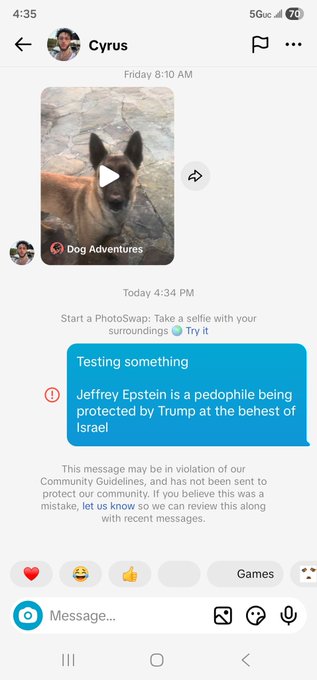



Is TikTok only increasing its censorship tactics under new US-owned leadership? TikTok users have reported what they believe is new censorship targeting mentions of Jeffrey Epstein in private messages, though the company has not confirmed any policy changes. The claims have circulated widely on social media platforms in recent days, with users expressing frustration about apparent content restrictions.
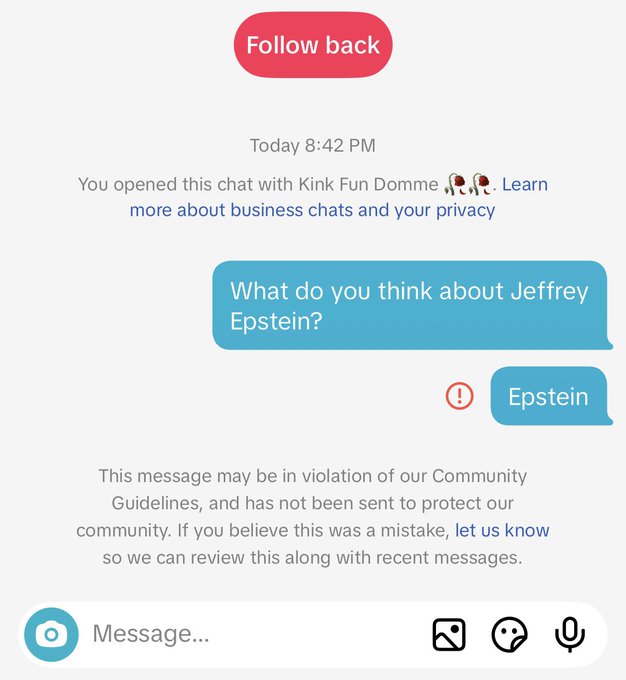
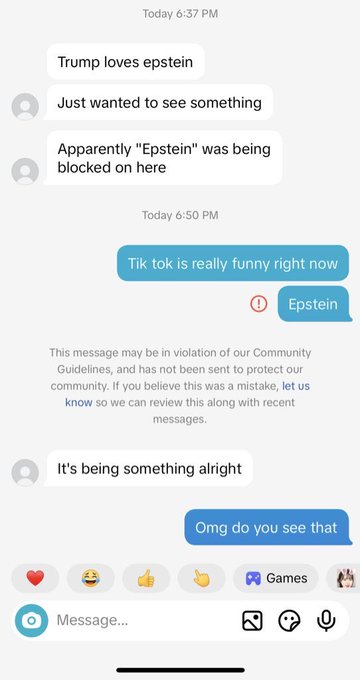
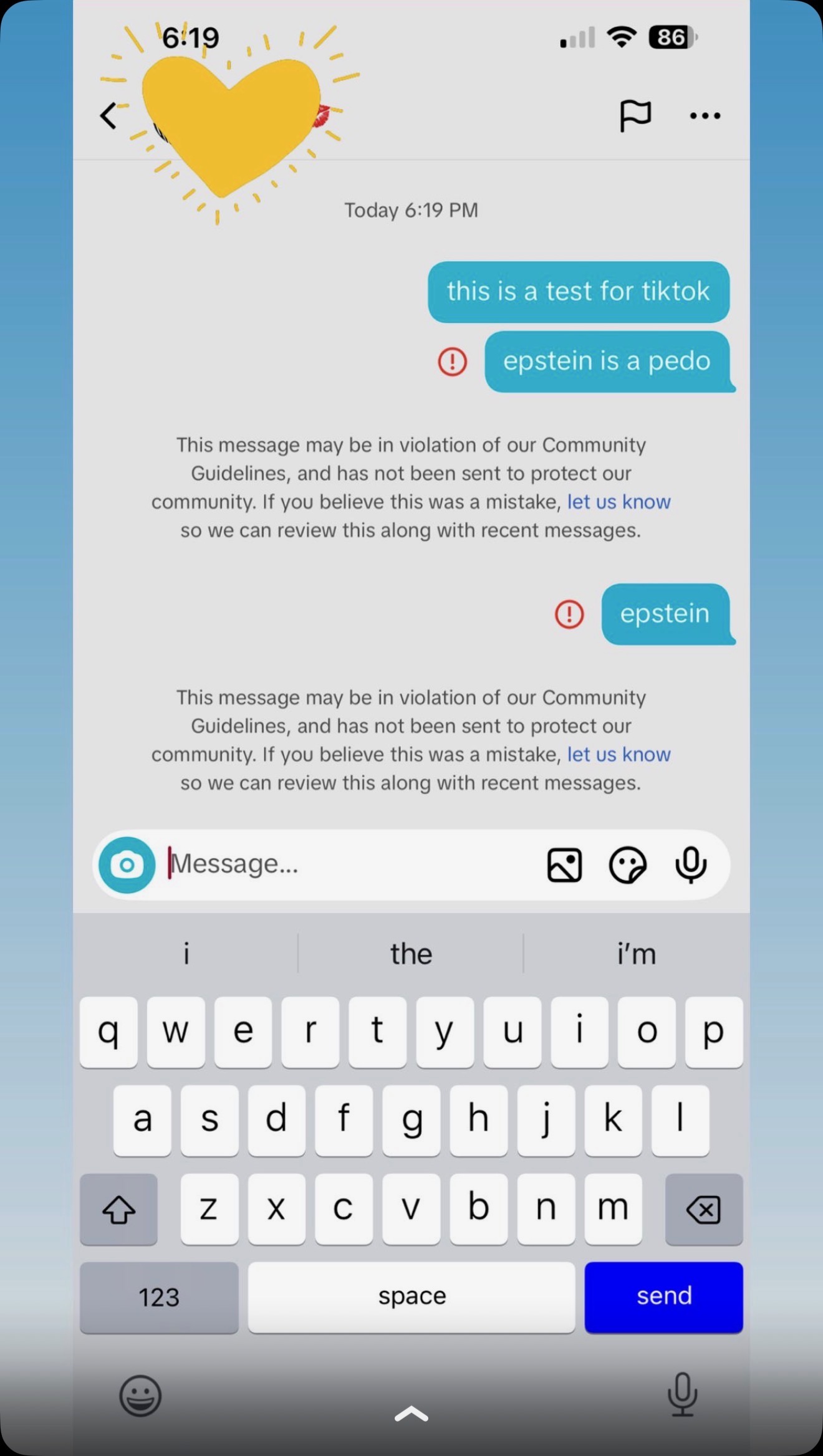
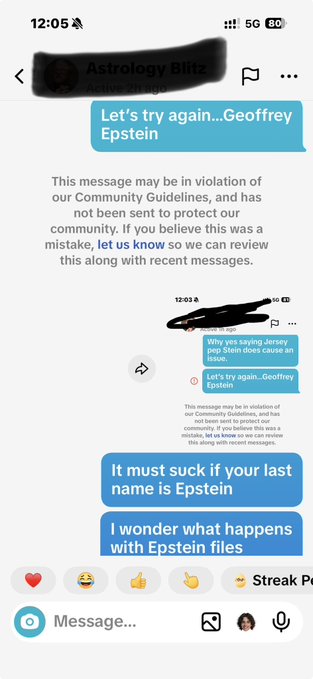
Some users have shared screen recordings purporting to show private messages failing to send when Epstein’s name is included. The videos have fueled concern online about potential censorship, though TikTok has not publicly verified or explained the behavior shown in the recordings.
Posts across multiple platforms show users claiming Epstein-related posts and comments appear to be removed or limited.
The allegations emerge as changes to TikTok’s U.S. operations have been rolling out over recent days. Public interest in Jeffrey Epstein remains high following passage of the Epstein Files Transparency Act, which requires the Justice Department to release records tied to the case.
For creators and businesses in the adult entertainment industry who rely heavily on TikTok for marketing and audience engagement, these reports raise troubling questions about platform censorship. The adult industry has long faced content restrictions across social media platforms, and any expansion of censorship policies could significantly impact marketing strategies and revenue streams for performers, studios, and related businesses.
The potential restrictions highlight broader free speech concerns about social media platforms’ power to control discourse around controversial topics. If TikTok is indeed filtering private messages based on specific names or subjects, it represents a significant escalation in content moderation that could set precedent for other platforms to implement similar measures.
Content creators who have built substantial followings on TikTok face particular vulnerability when platforms implement sudden policy changes or algorithmic adjustments. The adult industry, already operating under heightened scrutiny from payment processors and advertising networks, cannot afford to lose access to major social media channels without warning or explanation.
TikTok has not issued a public response addressing the allegations or the circulating videos. No major news outlets have independently verified claims of a ban on the word “Epstein” in direct messages or confirmed that official content rules have changed in that manner.
What remains unclear: Whether TikTok has implemented any new policies affecting Epstein-related content, what might be causing the message delivery issues reported by users, and how such restrictions could expand to affect other controversial topics or industries that depend on the platform for outreach.
Examples of screen captures shared on social media platform X earlier today: